
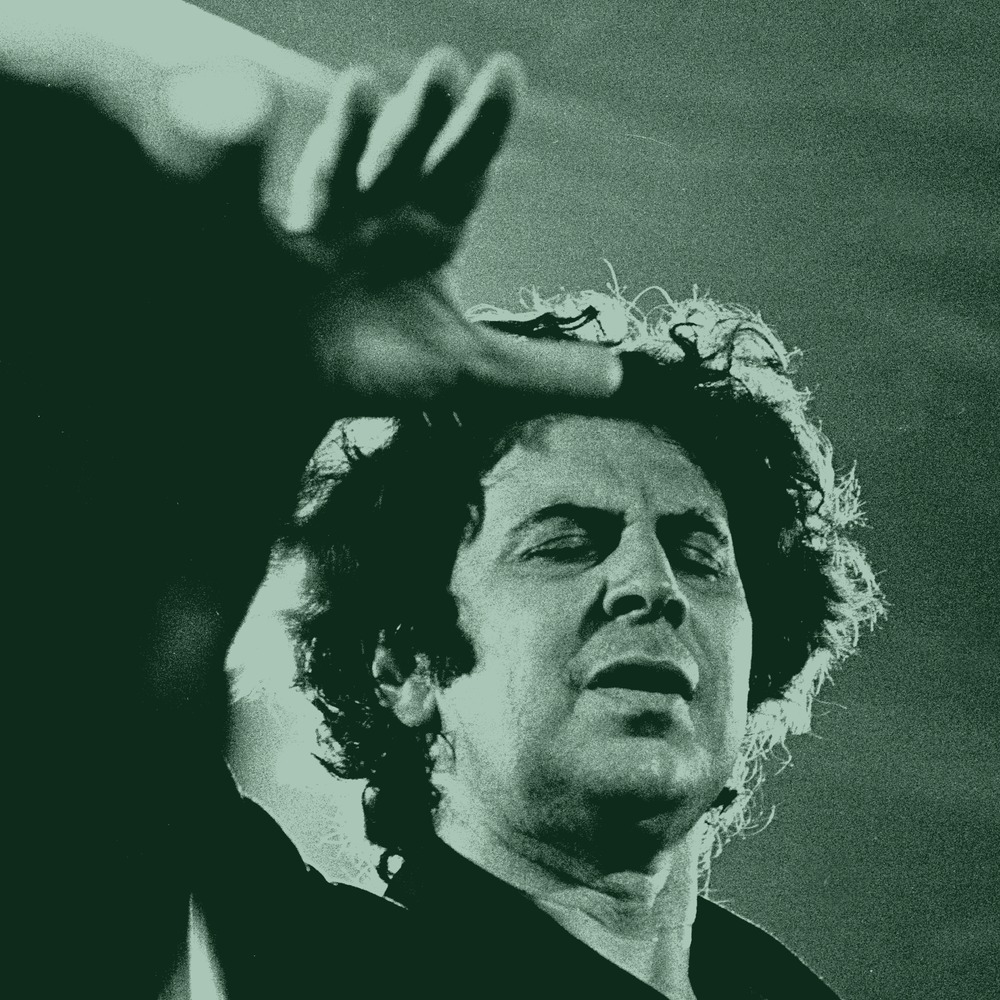
Cover photo: Heinrich Klaffs (CC BY-SA 2.0)
Mikis Theodorakis
How a prisoner buried alive became the voice that united two peoples.
About
In 1949, on the island of Makronisos, soldiers bury a young musician alive up to his neck in sand. His only crime is thinking differently. Forty years later, the music of the same man fills an ancient theater in Turkey, with Greek and Turkish musicians playing together before thirty thousand people.
Between these two moments lies a life that refused to fit into a single identity: the composer who set the bouzouki to high poetry, the man behind "Zorba the Greek" and the sirtaki that did not exist before the film, the friend of the murdered MP Grigoris Lambrakis, and the exiled composer who secretly recorded the score for the film "Z" while the dictatorship had outlawed even listening to his music.
A story about how art and political resistance can be the same thing — and about how a man who knew two concentration camps found, in the end, a way to build bridges instead of walls.
Similar audiobooks
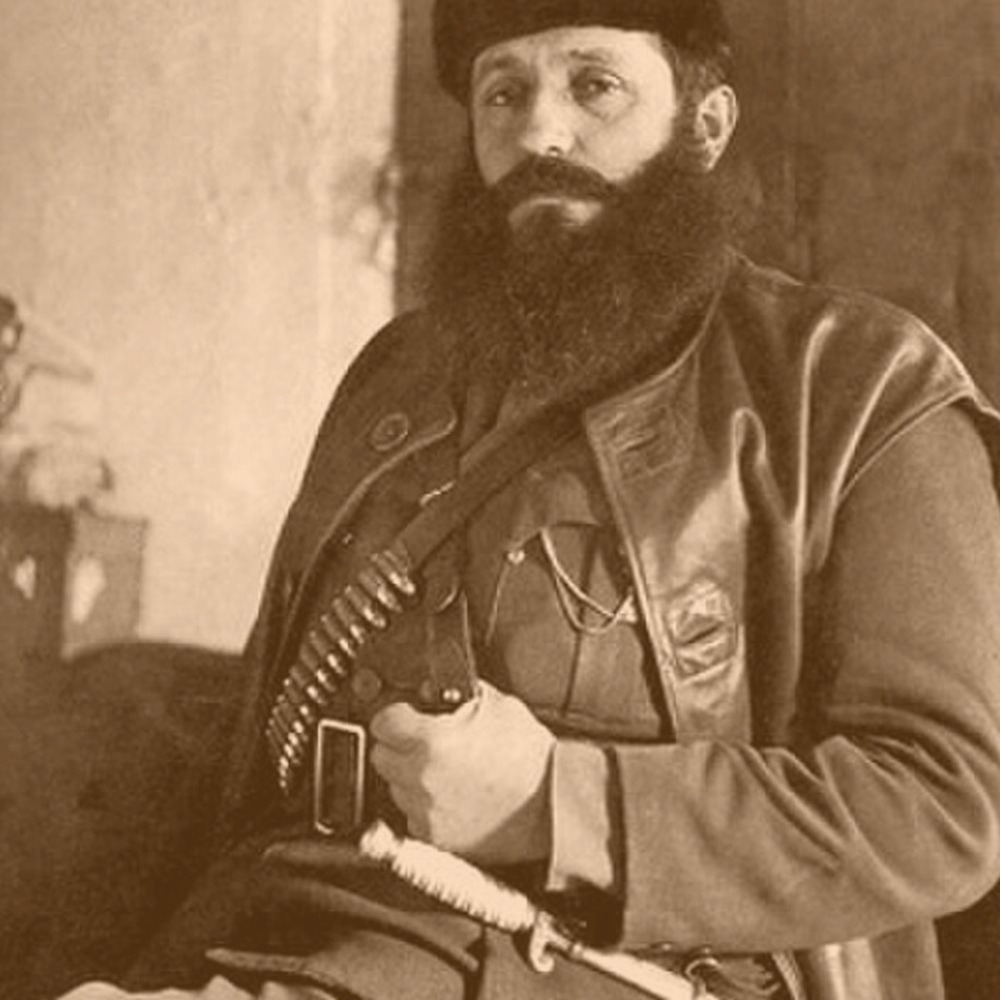 History15 minEAM-ELAS: From the Epic of Resistance to the Shadow of Civil War
EAM-ELAS: From the Epic of Resistance to the Shadow of Civil War
The gripping story of Greece's largest WWII resistance movement and the dark price of power.
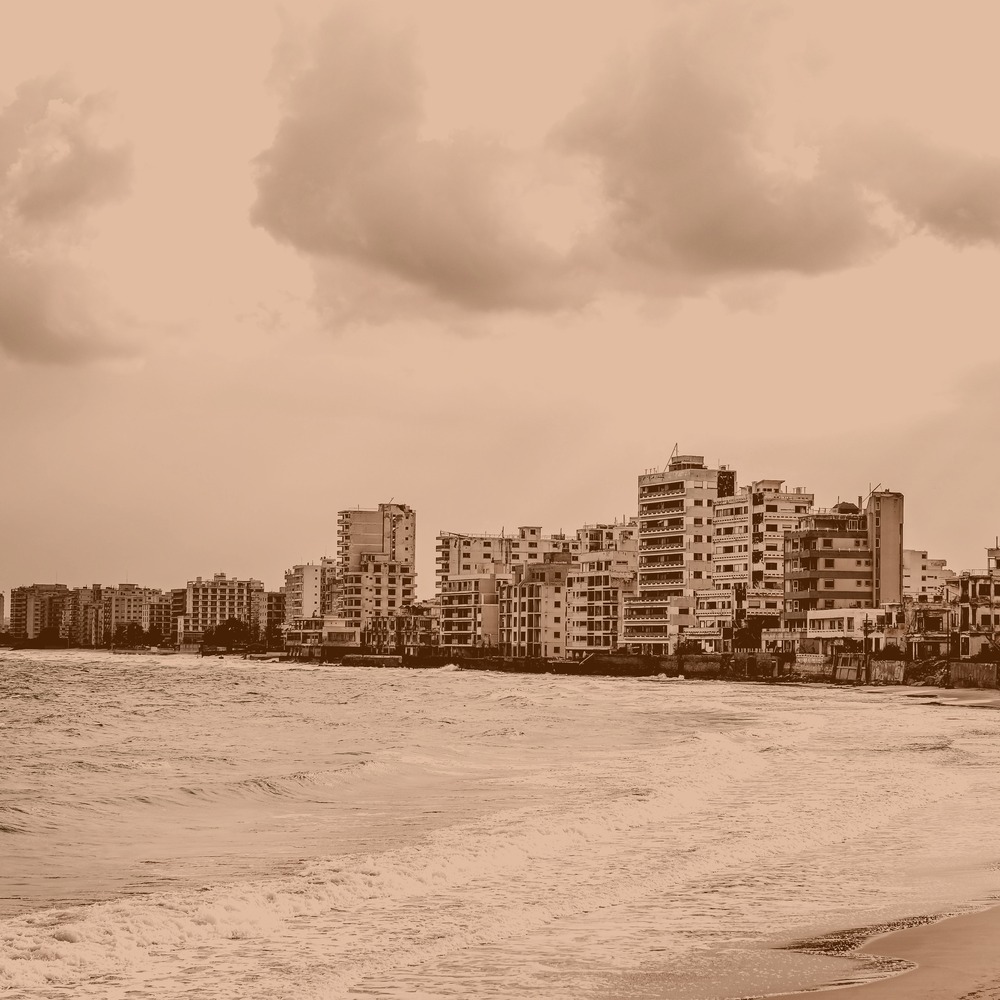 History17 minThe Invasion of Cyprus
The Invasion of Cyprus
The coup that was staged in the name of union — and brought partition instead.
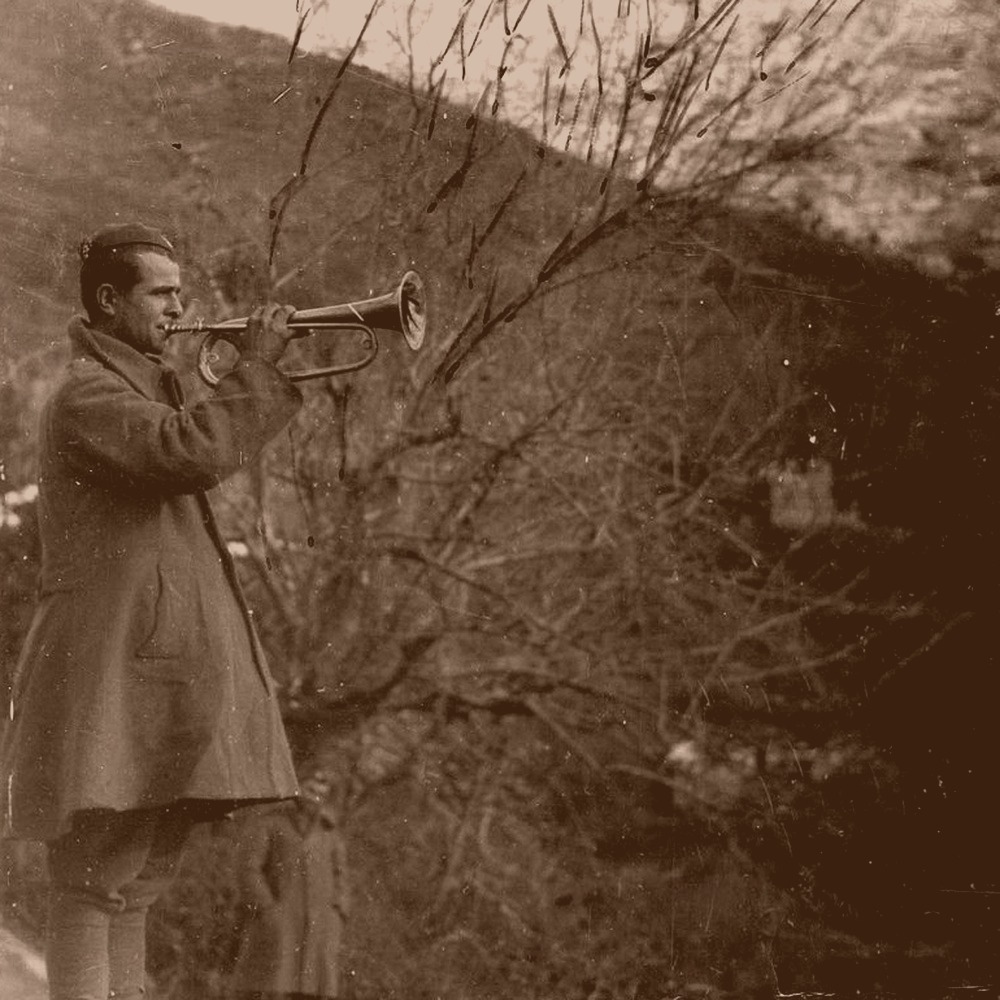 History19 minOhi Day, October 28, 1940: The Greek No and the Battle of the Pindus
Ohi Day, October 28, 1940: The Greek No and the Battle of the Pindus
The night of the ultimatum, the Pindus and the Greek No of 1940: who really said it, and what came next.
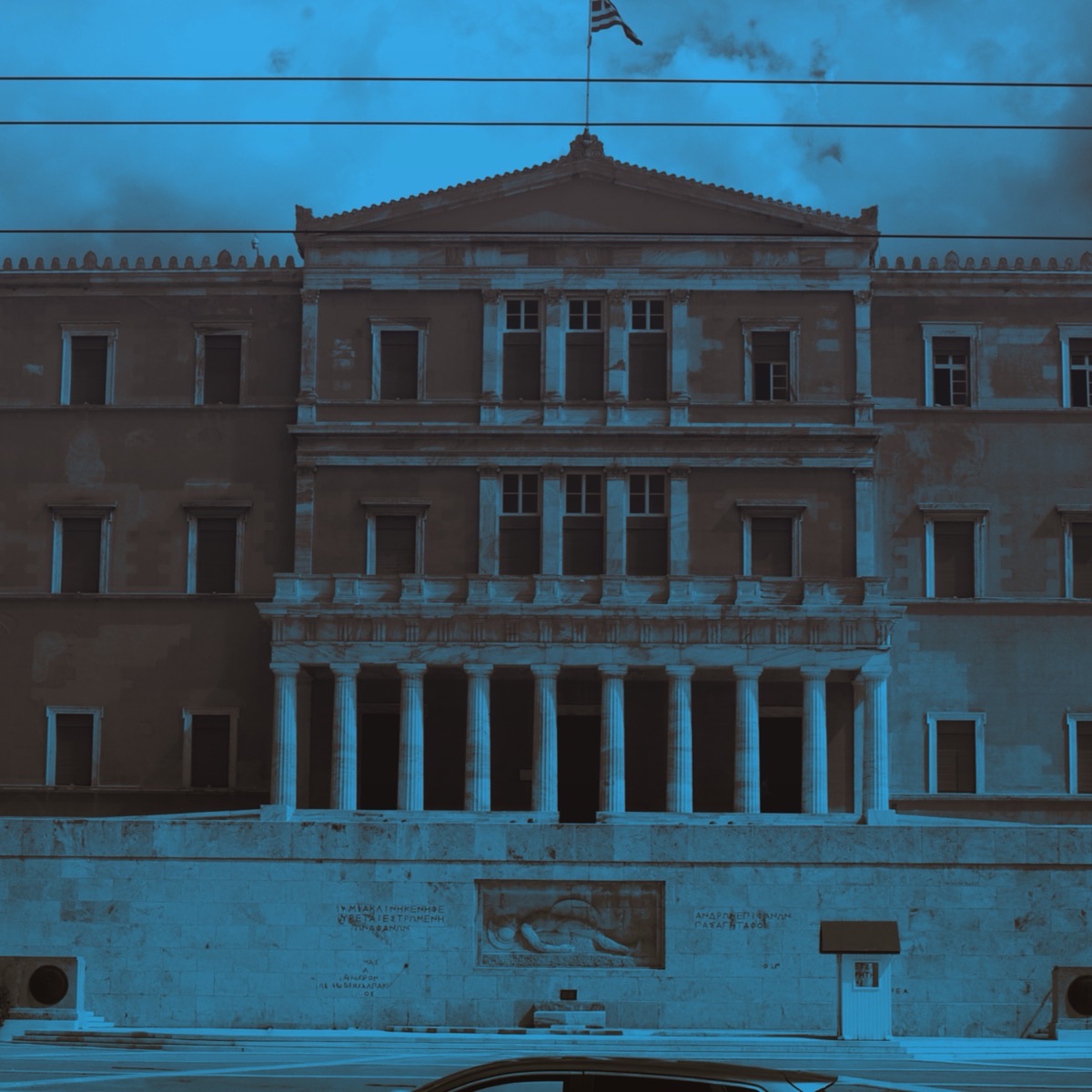 Economics & Business18 minCrisis: The Most Expensive Decade in Greek History
Crisis: The Most Expensive Decade in Greek History
How Greece built its own debt crisis, leading to the largest sovereign debt haircut in history.
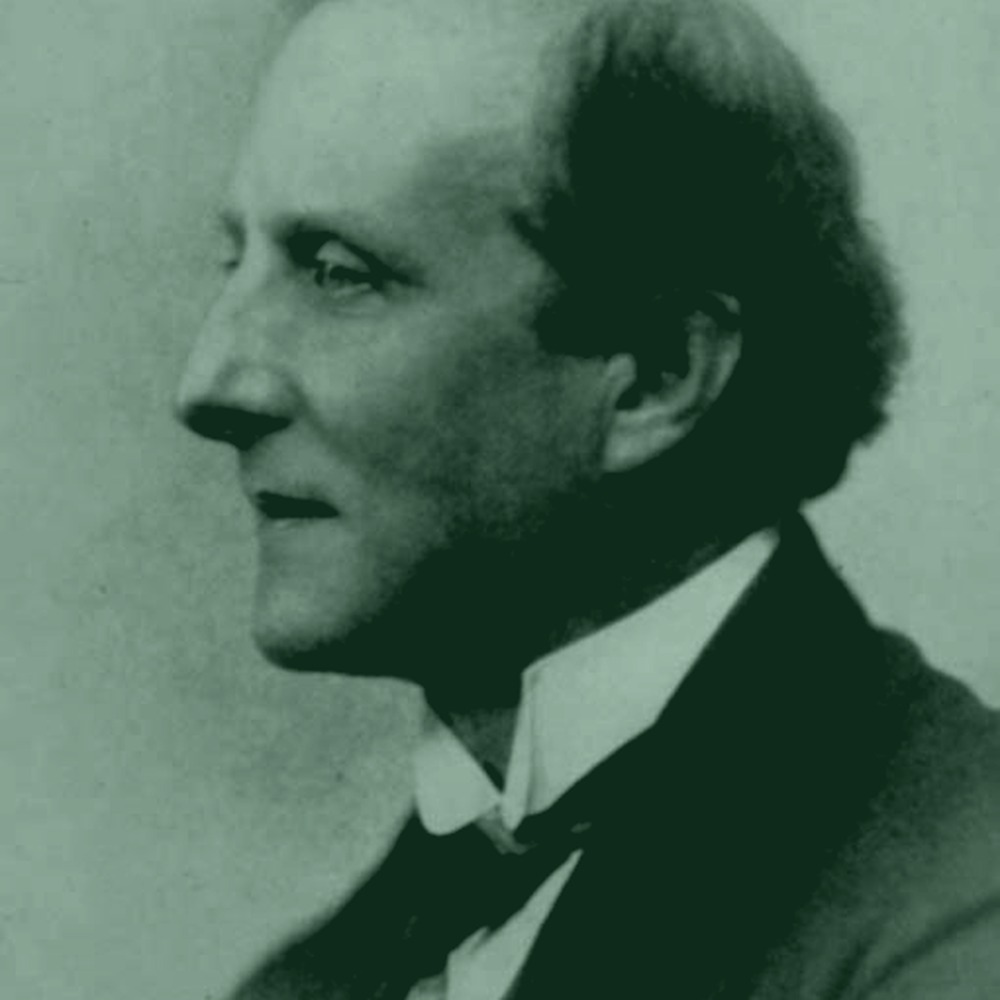 Biographies11 minConstantin Carathéodory
Constantin Carathéodory
The Greek mathematician Einstein came to for help — and who saved a library inside a burning city.
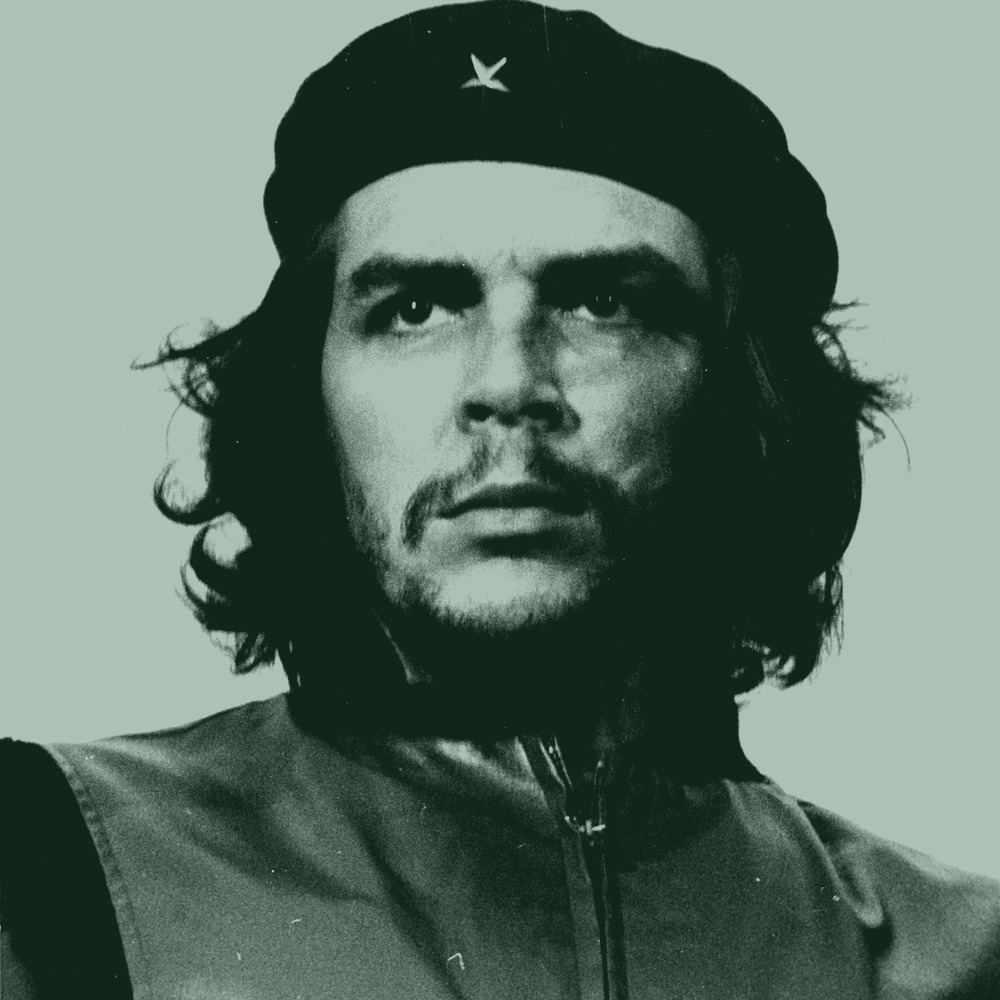 Biographies17 minChe Guevara: The Man and the Icon
Che Guevara: The Man and the Icon
The doctor who became a guerrilla and a minister — and, in the end, the most reproduced photograph in history.
 Society & Culture15 minRoma: The People Without a Homeland
Roma: The People Without a Homeland
Europe's first official record of the Roma isn't German or French — it's Greek.
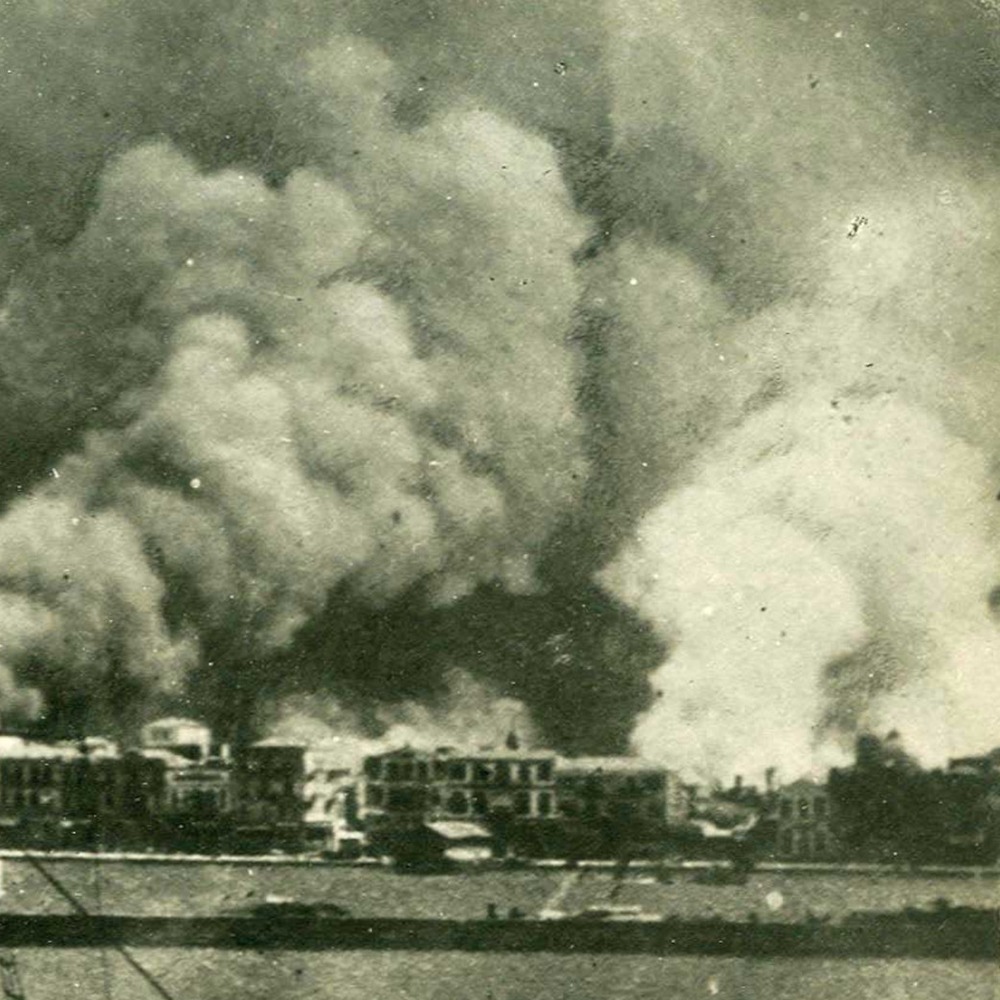 History18 minSmyrna 1922: The End of a Cosmopolitan City
Smyrna 1922: The End of a Cosmopolitan City
How the Aegean's most cosmopolitan city was lost in a few days — and what crossed the sea.


